How Advocacy Saves Your Brand When Crisis Strikes

Imagine being a pharmaceutical company that has invested years of research, millions of pounds, and immense effort to bring a new drug to the market. You’ve gone through the maze of approvals, conducted strict clinical trials, and assured the world of your product’s safety and effectiveness. With high hopes, you launch your drug and receive positive feedback from both doctors and patients.
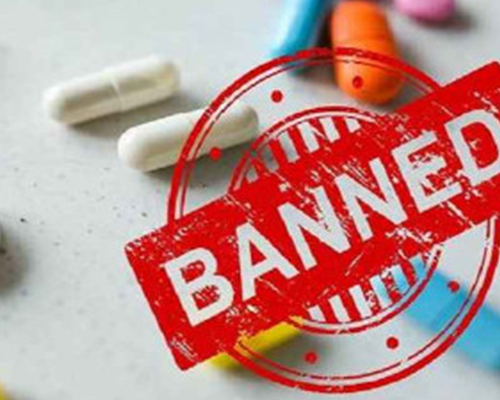
Then, the unimaginable occurs: your drug gets banned suddenly, all because of a report connecting it to a disease. How would you react? How do you handle the abrupt loss of income, damage to your reputation, and the loss of trust? How can you protect your product and regain your credibility?
This isn’t a hypothetical situation. Many pharmaceutical companies found themselves in this exact predicament when ranitidine, a widely prescribed drug for heartburn, ulcers, and GERD, faced a crisis. Sold under various brand names like Zantac, Rantac, and Aciloc, ranitidine had been a trusted choice for millions worldwide.
 However, in 2019, the US Food and Drug Administration (FDA) made a shocking announcement. They had found low levels of N-nitrosodimethylamine (NDMA), a potential human carcinogen, in some ranitidine samples. NDMA is a chemical that can form in certain foods and beverages when exposed to high temperatures or stored for extended periods. Moreover, the International Agency for Research on Cancer (IARC) classified NDMA as a probable human carcinogen, based on animal studies indicating its link to cancers of the stomach, esophagus, nasopharynx, and bladder.
The FDA’s revelation triggered alarm worldwide, leading various regulatory authorities to take swift action against ranitidine. Some countries, including Canada, Australia, France, Germany, Italy, Spain, Switzerland, and South Korea, recalled ranitidine products from the market. Others, such as India, Bangladesh, Pakistan, Sri Lanka, Nepal, and Vietnam, went as far as banning them. A few nations, like the UK, Japan, China, Singapore, Malaysia, Thailand, Indonesia, Philippines, and Taiwan, issued warnings or advisories to restrict ranitidine usage.
The consequences of these actions were disastrous for the pharmaceutical companies behind ranitidine. They faced significant revenue losses, diminishing market shares, legal battles from consumers claiming cancer linked to ranitidine use, damaged reputations, and lost trust among healthcare professionals and patients. Uncertainty loomed over the future of their once-promising product.
In the midst of this crisis, advocacy emerges as the saviour.
The Power of Advocacy
 Advocacy is the art of speaking or acting on behalf of oneself or others to influence decisions that affect them. It takes various forms, depending on the situation and goals. Advocacy channels range from traditional media to social media, publications, events, campaigns, petitions, lobbying, litigation, and more. Its impact can be substantial, especially when executed effectively.
So, how does advocacy come to the rescue of pharmaceutical companies facing a ranitidine-like crisis?
- Effective Communication : Advocacy enables these companies to communicate their perspective and present evidence to regulators, policymakers, healthcare professionals, and the public. It provides a platform to tell their side of the story.
- Challenging Established Notions : It empowers them to question the validity and reliability of reports or studies linking their product to diseases. Advocacy can highlight flaws in the research, casting doubt on its conclusions.
- Proposing Alternatives : Advocacy allows companies to suggest alternative solutions or measures to address regulators’ and consumers’ concerns. It can introduce innovative ideas to mitigate potential risks.
- Demonstrating Commitment : Through advocacy, companies can showcase their dedication to quality, safety, and innovation. It’s an opportunity to emphasize their commitment to patient well-being.
- Rebuilding Trust : Most importantly, advocacy helps rebuild their reputation and trust among stakeholders. It offers a path to redemption and restoration.
Real-World Examples
Pharmaceutical companies are not passive in the face of such crises. They actively engage in advocacy to protect their interests and regain lost ground. Here are some real-world examples:
Engaging with Regulatory Authorities
Some pharmaceutical companies have proactively engaged with regulatory authorities. For example, Sanofi, the maker of Zantac, filed a petition with the FDA in 2020. They requested a re-evaluation of ranitidine based on new scientific evidence indicating that NDMA levels in ranitidine were similar to those in common foods. This type of advocacy aims to prompt a re-examination of the situation.
Collaborating with Industry Associations
Companies are also collaborating with industry associations to present a unified front during policy discussions. These associations serve as platforms for collective representation and advocacy. They raise awareness and educate stakeholders about the industry’s perspective and challenges. For example, the Indian Pharmaceutical Alliance (IPA), representing 24 leading Indian pharma companies, expressed its disagreement with the ranitidine ban in 2019. They urged the government to reconsider its decision based on scientific evidence. Such collective advocacy amplifies their voice.
Educating Stakeholders
Pharmaceutical companies are educating stakeholders about the intricacies of the industry and the potential impact of ranitidine bans on patient access and public health. They provide factual information and data to foster an informed dialogue. In 2019, GSK, the original developer of ranitidine, published articles and videos on its website and social media platforms. These resources explained the science behind ranitidine and NDMA while addressing common questions and dispelling myths about the issue. This form of advocacy aims to create a balanced understanding.
Promoting Responsible Use
Companies are promoting responsible use, ensuring ranitidine products adhere to prescribed dosages and durations. They advise consumers to consult their doctors before use and to report any adverse effects. Additionally, they’re offering alternative options for those looking to switch. For example, Dr Reddy’s Laboratories, one of the largest ranitidine manufacturers in India, advised consumers in 2019 to follow label instructions and consult their doctors for any concerns. They also provided a range of alternative products for treating acidity and GERD. This type of advocacy emphasizes safe and responsible product usage.
Key Takeaways
Advocacy serves as an invaluable tool for pharmaceutical companies navigating the ever-changing regulatory landscape and managing crises like the ranitidine ban. By proactively engaging with stakeholders and effectively representing their interests, companies can protect themselves while contributing to the broader goal of improving healthcare outcomes for all.
Author: Daleep Manhas