Breaking the Chains of Stigma: Empowering Patients Through Advocacy

In today’s healthcare landscape, addressing stigma and cultivating awareness surrounding diseases and medical devices has become a pivotal aspect of patient well-being. Ailments such as diabetes and cancer, often accompanied by the use of medical apparatus like inhalers and insulin pens, bear a particular social stigma that can impede effective management and breed misconceptions. Advocacy, notably through Key Opinion Leaders (KOLs), has emerged as a potent instrument to counter this stigma and embolden patients. This article delves into how advocacy endeavours, such as Cipla’s ‘Berok Zindagi’ campaign, have transformed societal perceptions and responses to these challenges.
A Multifaceted Spectrum of Stigmas
Stigma comes in various forms, but some frequently encountered ones encompass: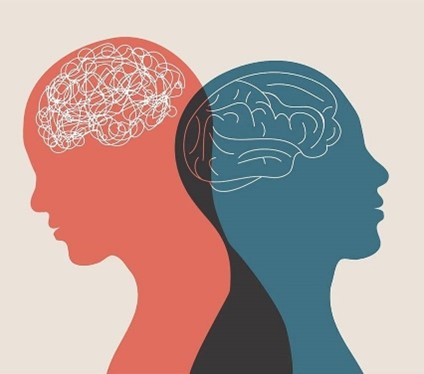
- Disease-related stigma: This involves the notion that individuals with a specific ailment are somehow inferior to those in good health. For instance, individuals grappling with mental health issues or HIV/AIDS may confront disease-related stigma.
- Medical device-related stigma: This entails the belief that using medical equipment signifies weakness or dependence. For example, individuals reliant on insulin pumps or inhalers may experience medical device-related stigma.
Stigma’s Impact on Lives
Stigma wields considerable influence over people’s lives, often resulting in:
- Hindrances to seeking treatment: Individuals apprehensive about the social repercussions of stigma may abstain from seeking essential medical attention, even when it is imperative. This can lead to the disease progressing further, causing more harm.
- Isolation from society: Those bearing the brunt of stigma may find themselves alienated from their social circles, family, and community. This isolation exacerbates the challenges posed by the disease and can trigger feelings of depression and anxiety.
- Discrimination: Stigmatized individuals often face discrimination in realms such as employment and housing, making it arduous to lead a normal life.
Information Therapy: The Heart of Disease Management
Disease management transcends mere medical interventions; it revolves around arming patients with  information, the ‘right’ information. The concept of “Information Therapy” assumes a pivotal role in this context. Furnishing patients with accurate and comprehensible information about their conditions empowers them to make enlightened decisions about their health. This educational approach bridges the chasm between medical expertise and patient comprehension, thus diminishing fear, stigma, and misconceptions associated with diseases like diabetes and cancer.
Empowerment Through Awareness and Patient Education
Patient empowerment stands as one of the most potent tools in the arsenal of healthcare professionals, and it is rooted in awareness and patient education. When patients grasp the intricacies of their conditions, they gain better-equipped management capabilities. Awareness initiatives obliterate myths and misunderstandings, enabling patients to make informed choices regarding their treatment trajectories. This informed approach diminishes fear, encourages early diagnosis, and steers patients towards healthier lives.
Media Advocacy: Harnessing KOLs as Advocates
Media advocacy, particularly through Key Opinion Leaders (KOLs), brings about substantial 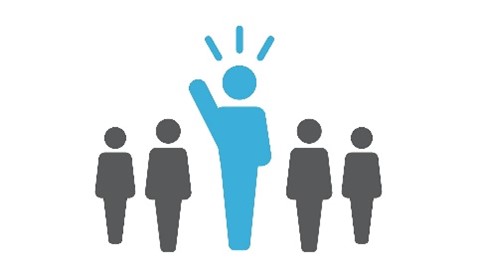 transformations in combating disease-related stigma. KOLs are revered figures in their respective domains, wielding considerable influence. By leveraging their authority, these experts become the voices behind awareness campaigns, disseminating credible information that debunks myths and imparts invaluable insights. KOLs not only bridge the chasm between intricate medical terminology and the public but also personify the campaign, humanizing the diseases and the treatment regimens.
The ‘Berok Zindagi’ Campaign by Cipla: A Paradigm Shift in Advocacy
Cipla’s ‘Berok Zindagi’ campaign stands as a remarkable illustration of how advocacy can reshape society’s perception of diseases and medical devices. Focusing on respiratory health, the campaign centred around inhalers as a solution for respiratory issues. To shatter stigma, Cipla adopted a multi-faceted approach:
Education is Empowerment: The campaign commenced with education. It delivered concise, lucid information about respiratory ailments, inhaler use, and the merits of early intervention.
Celebrity Endorsement: To amplify its message, Cipla enlisted the global icon Priyanka Chopra as a brand ambassador. Her involvement lent credibility to the campaign and rendered inhaler use less stigmatic.
Digital Engagement: By harnessing digital platforms, Cipla engaged directly with patients and caregivers, fostering a sense of community and support.
Engagement of KOLs: Cipla’s initiative didn’t rely solely on a celebrity. It involved healthcare Key Opinion Leaders, adding credibility to the campaign’s message.
Patient Narratives: Sharing real-life success stories of individuals managing respiratory conditions empowered others to seek proper care without shame.
Way Forward
Tackling the stigma surrounding diseases and medical devices represents a momentous challenge. Nevertheless, several effective approaches can be harnessed to address this issue. By disseminating accurate information, educating patients, and engaging in media advocacy, we can foster a more empathetic environment for individuals grappling with diseases and medical conditions.
Apart from the approaches highlighted above, numerous other strategies can be adopted to combat stigma around diseases and medical devices. These encompass:
- Promoting Research: Research into diseases and conditions enhances our comprehension of these maladies and can lead to the development of innovative treatments. This contributes to a reduction in the stigma associated with these ailments, as people realise, they are treatable conditions.
- Facilitating Patient Empowerment: Empowered patients are less prone to feeling stigmatized. This empowerment can be facilitated by imparting patients with the skills and knowledge required to manage their conditions, along with offering them the necessary support and resources.
- Challenging Stereotypes: Challenging negative stereotypes about diseases and medical conditions is pivotal. This can be achieved through educational efforts, media advocacy, and vociferously opposing discrimination.
By adopting these measures, we can cultivate a more supportive atmosphere for individuals living with diseases and medical conditions, thereby diminishing the stigma associated
Authored by Dr. Swadeep Srivastava and Daleep Manhas